On December 2, 2024, Elahe Esmaili films and publishes a documentary called “A Move” which highlights her experience returning to her hometown, in Iran. Inspired by the movement for women’s rights in Iran, she no longer feels comfortable wearing a hijab. Her family and friends share common values which require women to wear a hijab, and she clearly expresses that her values no longer align with theirs. Esmaili’s location influences the film through her close-knit family and her choice to share her story from the position of a participant observer.
Esmaili’s location influences the film through her close-knit family. Her choice to capture a sweet moment of her family and friends dancing, laughing and smiling together makes viewers feel the love they share through the screen. Therefore, when she shares clips of that same community silently judging her for not wearing a hijab, it feels more devastating. In Doing Documentary Work, Coles writes, “Once more, the issue is that of location—how a particular writer or researcher decides to commit himself or herself with respect to those others being studied, watched, heard, made the subject of a writing initiative”(Coles Chapter 1, Pg 24). By following the scenes of her mother asking her to wear a hijab, to the community dancing together, with a clip of her mother praying and crying, demonstrates how much her mother loves her but feels somewhat betrayed by her in a way.
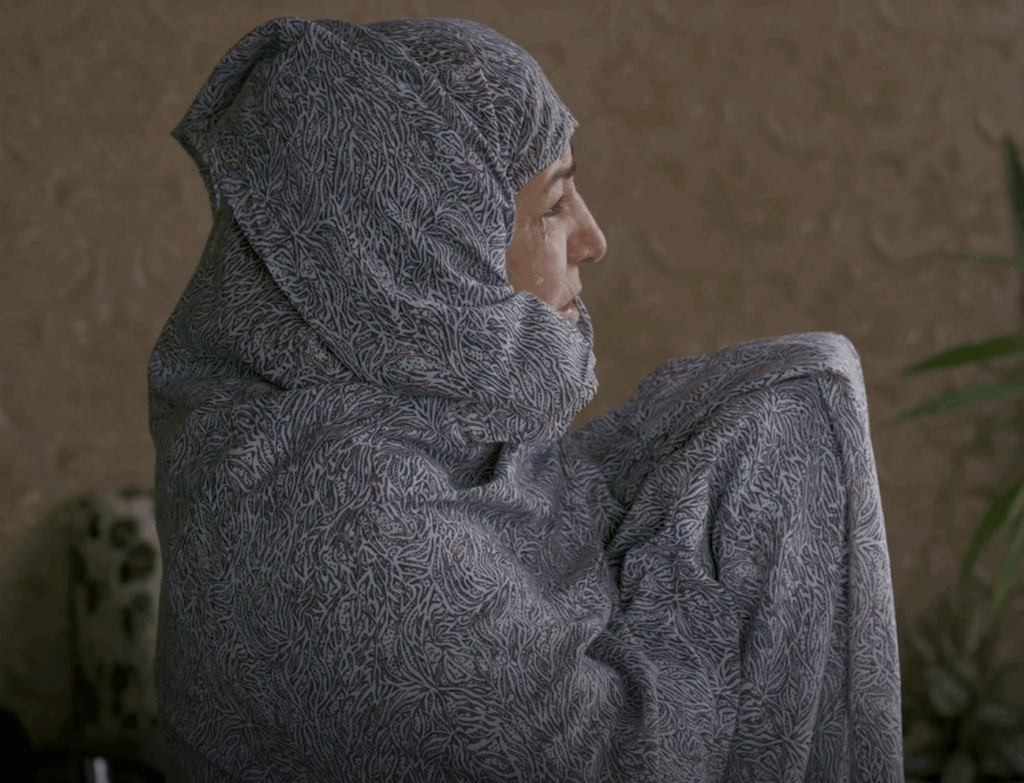
Esmaili’s location influences the film through her choice to share her story from the position of a participant observer. The entire documentary is filmed as if the viewer is actively participating in everything with Esmaili. She does a very good job at capturing her experience as an Iranian woman who is doing something against societal norms and her family’s expectations. As Coles explains, “I may well be called a ‘participant observer’ or an ‘advocate’ by readers or colleagues, or by myself in what I say or imply about myself: someone who has become ‘involved’ with those he has met… one who worked alongside those he was getting to know”(Coles Chapter 1, Pg 23). This idea perfectly encapsulates Esmaili’s role, since she is not an outsider or simply just an observer, but is rather someone who is actively involved and whose presence shapes the story. What is particularly beneficial about Esmaili’s choice to incorporate this style is that viewers understand much more about her experience and feelings this way. If she were to create a documentary about the movement for women’s rights in Iran from an outsider’s perspective, viewers would lack the empathy and understanding of the true experience of a day in the life as a woman in Iran.
Esmaili’s location shapes the documentary by evoking emotion in the viewers. Her choice of sharing her story from the position of a participant observer allows viewers to feel both the love and judgement that she experiences from her community. Esmaili clearly exemplifies Cole’s definition of location in documentary work.
Leave a Reply